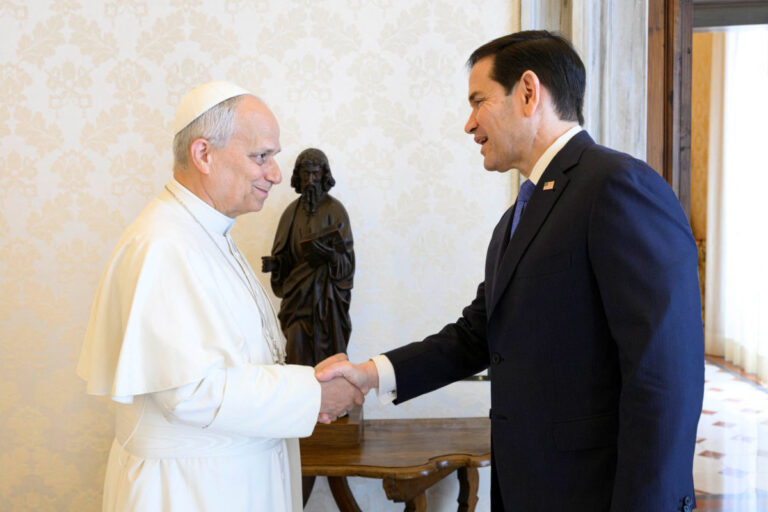
The global community stands at a historic crossroads today, Thursday, May 7, 2026, as the Islamic Republic of Iran begins its formal review of a comprehensive peace proposal submitted by the United States. Following nearly three months of high intensity maritime conflict, aerial strikes, and a global energy crisis triggered by the closure of the Strait of Hormuz, the prospect of an “off ramp” has finally emerged.
The stakes could not be higher. What began in late February 2026 as a localized flare up has evolved into a geopolitical earthquake that has redefined international alliances and brought the global economy to its knees. As Tehran prepares its response expected to be delivered via Pakistani mediators within the next 48 hours the world is holding its breath.
The Genesis of the 2026 Conflict
To understand the gravity of the current proposal, one must look back at the rapid escalation that led to this moment. The “Strait War,” as many historians are already calling it, was sparked by a series of naval skirmishes in the Persian Gulf that quickly spiraled out of control.
By March, the U.S. had initiated Project Freedom, a naval blockade intended to neutralize Iran’s ability to disrupt global shipping. Iran responded with a total blockade of the Strait of Hormuz, effectively trapping a third of the world’s liquefied natural gas (LNG) and 20% of its oil supply. The resulting economic shock saw oil prices quadruple in weeks, leading to civil unrest in several developing nations and a pivot in U.S. domestic policy toward a “peace through strength” ultimatum.
Anatomy of the U.S. Proposal: The 15 Point Plan
The latest proposal, drafted by the Trump administration in consultation with regional allies, is a complex 15 point document designed to address both immediate security concerns and long term nuclear ambitions. While the full text remains classified, several “red line” items have been leaked by diplomatic sources in Islamabad and Washington.
1. The Immediate Reopening of the Strait of Hormuz
This is the non negotiable centerpiece of the U.S. offer. Washington demands the removal of all Iranian naval mines and the withdrawal of IRGC fast attack craft from international shipping lanes. In exchange, the U.S. would suspend Project Freedom and allow Iranian oil tankers to resume transit to pre approved destinations.
2. The Nuclear “Affirmative Commitment”
The proposal seeks a permanent end to Iran’s uranium enrichment program. Unlike the 2015 JCPOA, this deal reportedly demands “zero enrichment” on Iranian soil, with all nuclear fuel for medical and energy purposes to be imported from and monitored by third party nations. This remains the most significant hurdle, as Tehran has long viewed domestic enrichment as a matter of national sovereignty.
3. Regional Ceasefire Linkage
A significant shift in this proposal is the inclusion of a regional ceasefire. The U.S. is offering to facilitate a drawdown of Israeli operations in Southern Lebanon and Gaza if Iran agrees to cease its “proxy funding” and weapons transfers to Hezbollah and Houthi rebels.
Iran’s Counter Proposal: The 10 Point Response
Tehran has not remained passive. Iranian Foreign Ministry spokesperson Esmaeil Baqaei emphasized this morning that any deal must be a “two way street.” Iran’s 10 point counter proposal focuses heavily on economic sovereignty and legal protections.
- Sanctions Dissolution: Iran is demanding the immediate and irreversible lifting of all primary and secondary sanctions, not just those related to the nuclear program.
- Asset Release: A key demand is the unfreezing of over $120 billion in Iranian assets currently held in South Korean, Japanese, and European banks.
- The “No Strike” Guarantee: Iran is seeking a legally binding guarantee from the U.S. Congress—not just an executive order—that the U.S. will not initiate military action against Iranian soil for the duration of the agreement.
The Role of Pakistan: The Silent Mediator
The role of Islamabad cannot be overstated. Since the closure of the Swiss diplomatic channel earlier this year, Pakistan has emerged as the primary bridge between Washington and Tehran.
Pakistani officials have spent the last 72 hours in “shuttle diplomacy,” flying between the two capitals to refine the language of the proposal. The choice of Pakistan as a mediator is strategic; it maintains a security partnership with the U.S. while sharing a border and energy interests with Iran. Pakistani Prime Minister’s office stated today that they believe a “breakthrough is within reach,” provided both sides move past “rhetorical posturing.”
The Economic Fallout and Market Optimism
The mere rumor of this proposal has already sent shockwaves through the financial world.
- Oil Prices: Brent Crude, which had been trading at an eye watering $185 per barrel, dropped 12% in early trading today on hopes of a reopened Strait.
- Global Logistics: Shipping giants like Maersk and Hapag Lloyd have reportedly begun “contingency planning” for the resumption of Persian Gulf routes, though insurance premiums remain prohibitively high until a signature is on paper.
- Asian Markets: Stocks in Tokyo and Seoul surged by 4% today, as these nations are among the most dependent on Middle Eastern energy imports.
The “Bombing Starts” Threat: The Art of the Deal?
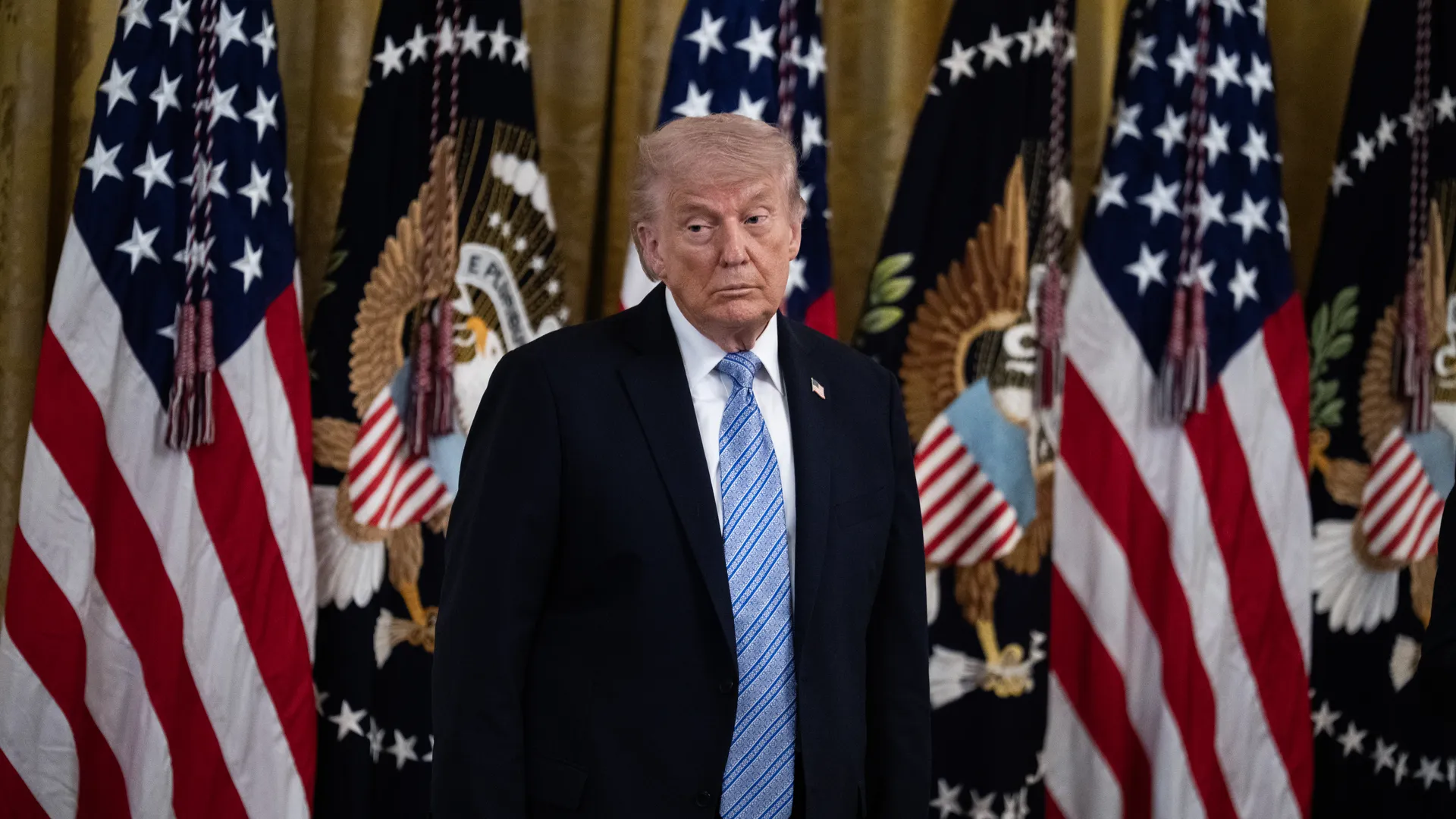
Amidst the delicate diplomatic dance, the rhetoric remains volatile. President Trump’s recent social media posts have utilized a “maximum pressure” tactic, alternating between praising the “great potential” of the Iranian people and warning that “the bombing starts” if the review process is used as a stalling tactic.
Critics argue that this “sledgehammer diplomacy” could backfire, forcing Iranian hardliners to dig in their heels to avoid appearing weak. However, supporters of the administration suggest that the credible threat of total military escalation is the only reason Tehran is at the negotiating table at all.
Conclusion: The Critical 48 Hours
The world now waits for Esmaeil Baqaei to step back to the podium in Tehran. The outcome of this review will determine the trajectory of the 21st century.
If the proposal is accepted, we may see the beginning of a new security architecture in the Middle East—one that prioritizes economic flow over ideological conflict. If it is rejected, the “Strait War” likely enters a much darker phase, with the potential for full scale ground intervention and a global depression.
For now, the ships are still, the planes are fueled, and the pens are held ready. The next 48 hours will decide if we are entering an era of reconstruction or an age of fire.
About the Author