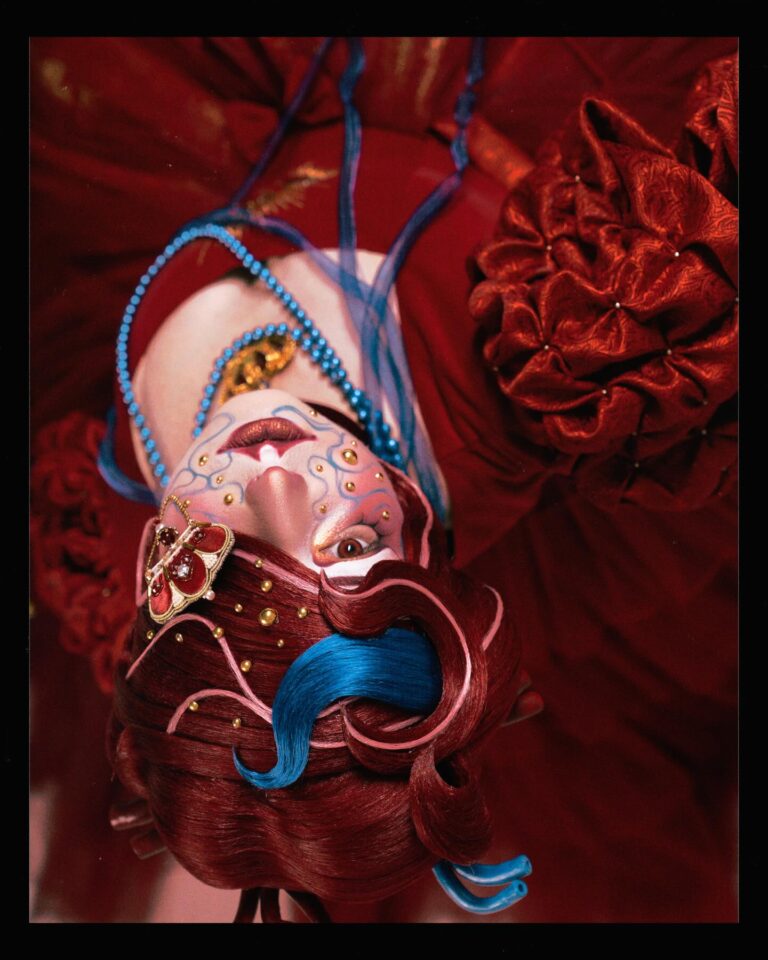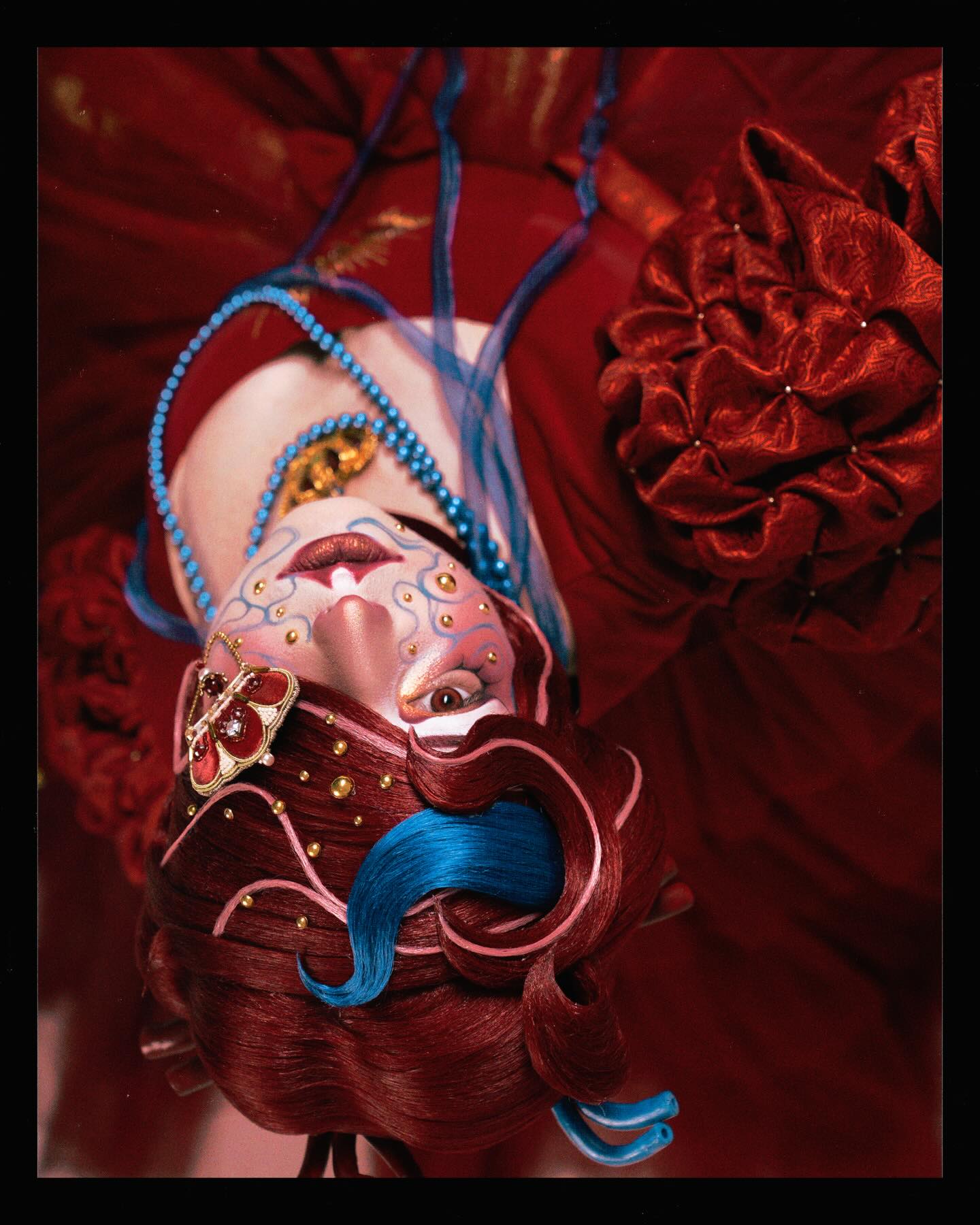
In the evolving landscape of modern performance art, the line between traditional cosplay and avant-garde fashion has become increasingly blurred. Nowhere is this more evident than in the breathtaking visual narrative titled Inside the Heart. This is not merely a costume; it is a sprawling, multi-dimensional exploration of human emotion, anatomy, and the weight of existence. As we examine this work through the lens of 2026 creative standards, it stands as a testament to the power of “conceptual costuming”—a movement that prioritizes thematic storytelling over the imitation of existing intellectual properties.
The Foundation of the Pulse
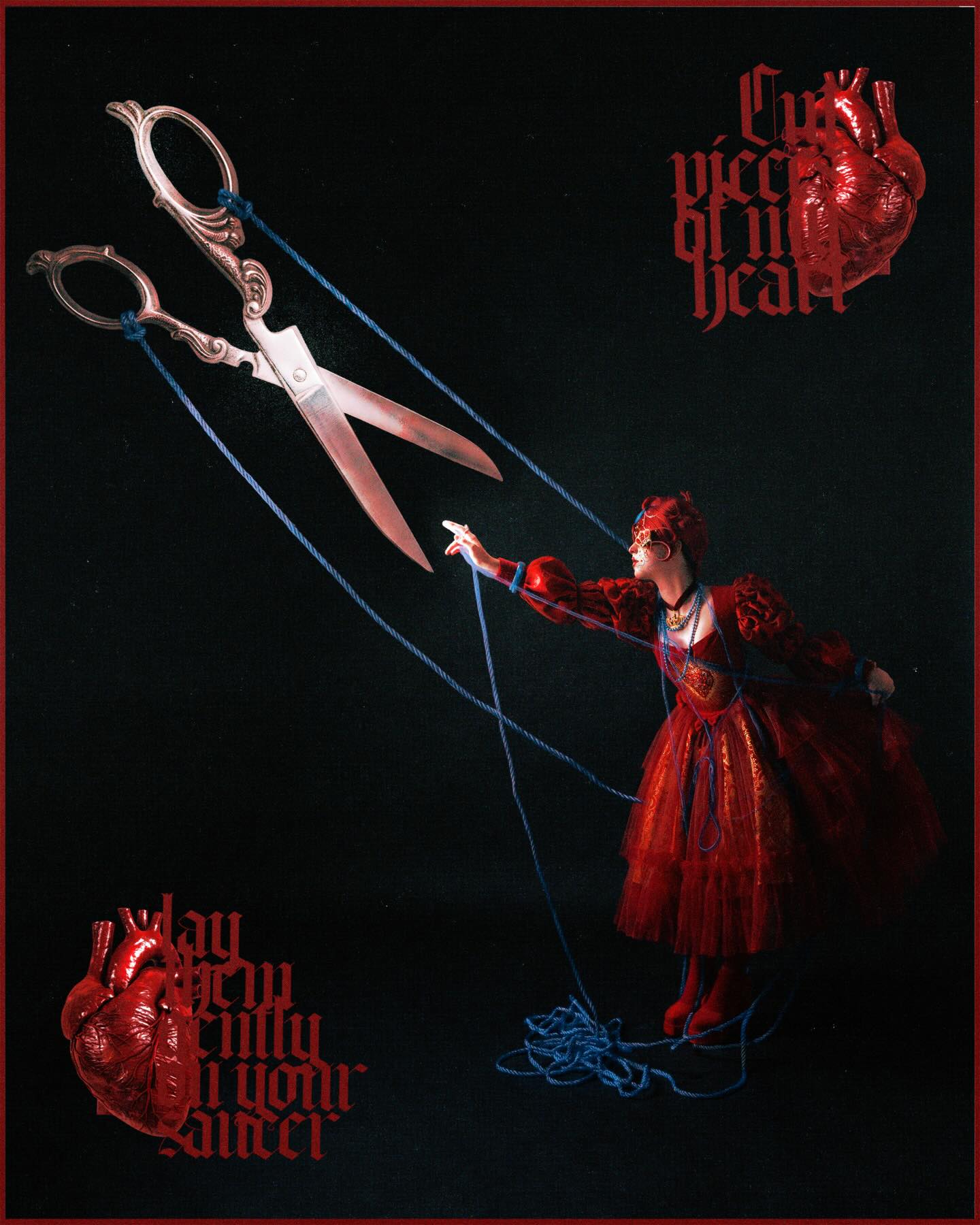
At the center of the composition lies a prop that anchors the entire narrative: a hyper-realistic, oversized anatomical heart. In the realm of cosplay, props are often secondary to the garment, but here, the heart is the foundation. Its construction displays an obsessive attention to detail, from the glistening sheen of the muscular walls to the translucent quality of the superior vena cava and the pulmonary arteries.
By seating the subject atop this organ, the artist makes a profound statement about the burden of emotion. The heart is not tucked away inside a chest cavity; it is a literal throne, heavy and exposed. It suggests a character who is ruled by their pulse, someone whose very foundation is built upon the raw, pumping reality of feeling. The scale of the heart in relation to the human figure creates a sense of “Alice in Wonderland” surrealism, making the wearer appear both regal and strangely fragile.
Textiles as Emotional Language
The garment itself is a masterclass in monochromatic storytelling. The choice of deep crimson velvet for the bodice and sleeves is intentional. Velvet, with its ability to absorb and reflect light simultaneously, provides a tactile richness that mimics the depth of oxygenated blood. The puffed “mutton” sleeves invoke a sense of historical royalty, grounding the character in a Victorian or Edwardian aesthetic while remaining firmly rooted in the fantastical.
Layered over the velvet is a delicate, tiered tulle skirt. This choice creates a stark contrast between the “heavy” and the “light.” If the velvet represents the muscle and meat of the heart, the tulle represents the ephemeral nature of love and breath. It is a cloud of red that softens the hard edges of the anatomical prop below.
The most striking technical detail of the clothing is the blue cordage that wraps around the subject. These cerulean lines serve as a visual metaphor for veins or perhaps the “red threads of fate” turned cold. They physically bind the woman to the heart, weaving through the fabric of her dress and spilling onto the floor. This use of contrasting color breaks the sea of red and draws the eye in a serpentine path across the entire image, ensuring that the viewer cannot look at the person without acknowledging the vessels that connect them to their core.
The Sculptural Face and Hair
Moving upward, the artistry shifts from the textile to the cosmetic. The hair is not styled in any traditional sense; it is sculpted. The deep red locks are arranged in undulating folds that mimic the cerebral cortex of a brain or the internal chambers of an organ. It is a brilliant bit of visual shorthand that connects the “head” to the “heart,” suggesting a total synthesis of thought and feeling.
The face is treated as a canvas for “beauty-macabre.” The application of small pearls and beads across the cheeks and forehead creates a texture that feels alien yet precious. It could be interpreted as petrified tears or perhaps a physical manifestation of an internal fever.
The golden eyepatch is the crowning jewel of the character’s design. Decorated with a miniature crown and heart motifs, it suggests a “wounded royalty.” In the world of visual storytelling, an eyepatch often denotes a sacrifice made or a perspective gained. By covering one eye with the symbols of her own theme, the character implies that she sees the world through the lens of her own passion, for better or worse.
The Grayscale Echo
One of the most hauntingly beautiful aspects of this cosplay is the presence of the “shadow self” or the grey figure standing directly behind the primary subject. This element elevates the work from a single character study into a psychological portrait.
This second figure, rendered in muted grays and blacks, acts as a desaturated mirror. It wears the same blue veins, yet it lacks the vibrant life of the red velvet. This could represent a variety of themes:
-
The Ghost of Past Grief: The version of the self that remains after a great passion has burned out.
-
The Clinical versus the Emotional: The grayscale figure representing the cold, anatomical reality of the body, while the red figure represents the living spirit.
-
The Duality of the Heart: The idea that every great love or joy carries with it a shadow of potential loss.
Technically, this is achieved through incredible coordination between two performers or the expert use of a life-like mannequin. The way the blue cords transition from the vibrant foreground to the dull background creates a seamless bridge between life and memory.
Framing and Final Presentation
The presentation of the image utilizes a “Portrait Gallery” style. The dark, void-like background forces the viewer to focus entirely on the textures of the heart and the velvet. The inclusion of the gold filigree corners is a nod to the era of Romanticism, a time when art was deeply concerned with the sublime and the overwhelming power of nature and emotion.
The title card “Inside the Heart” and the “Strange Things” branding suggest that this is a chapter in a larger anthology of work. It treats the cosplay as a cinematic still, a single frame from a movie that exists only in the mind of the creator.
The Impact on the Maker Community
Through the lens of a content creator, this image is a prime example of how to build “viral” visual storytelling. It isn’t just a costume that looks good on a convention floor; it is a composition designed to stop the scroll. It uses high-contrast colors, recognizable yet twisted iconography, and a level of craftsmanship that demands a second and third look.
For those in the maker community, this work provides a blueprint for using non-traditional materials. It encourages the use of upholstery fabrics, industrial cords, and mixed-media prop building to create something that feels “couture.” It proves that the most effective cosplays are often those that don’t follow a pre-existing guide but instead follow the internal logic of a theme.
Conclusion: The Heart as Art
Inside the Heart is a profound achievement in the world of creative expression. It takes one of the most overused symbols in human history—the heart—and manages to make it feel fresh, terrifying, and beautiful all at once. It reminds us that our emotions are not just abstract feelings; they are heavy, they are tangled, and they are the pedestals upon which we build our lives.
As we look at the intricate stitching of the velvet, the cool glow of the blue veins, and the massive, thumping presence of the heart prop, we are reminded of why we create. We create to make the internal external. We create to show the world what it looks like to feel something so deeply that it becomes a garment we wear. This cosplay is more than a costume; it is a heartbeat caught in a camera lens, frozen in time for us to study, admire, and ultimately, to feel.
About the Author