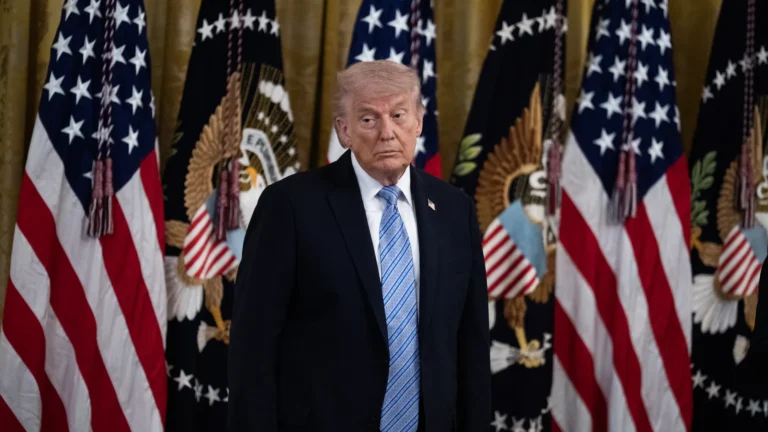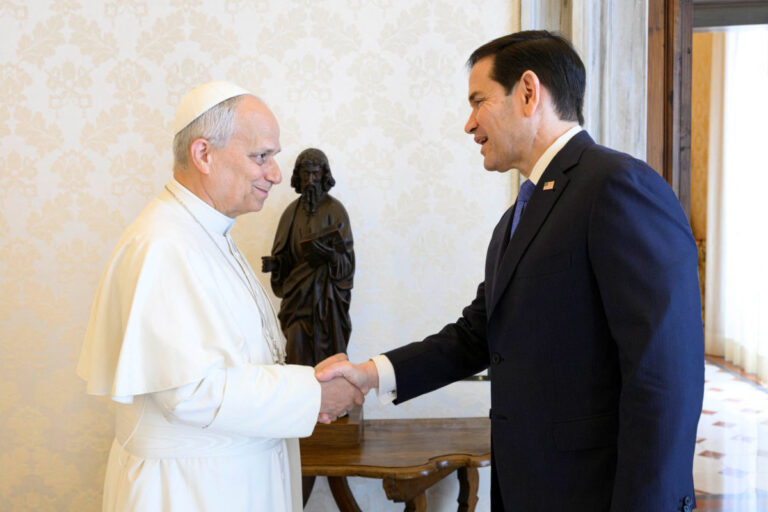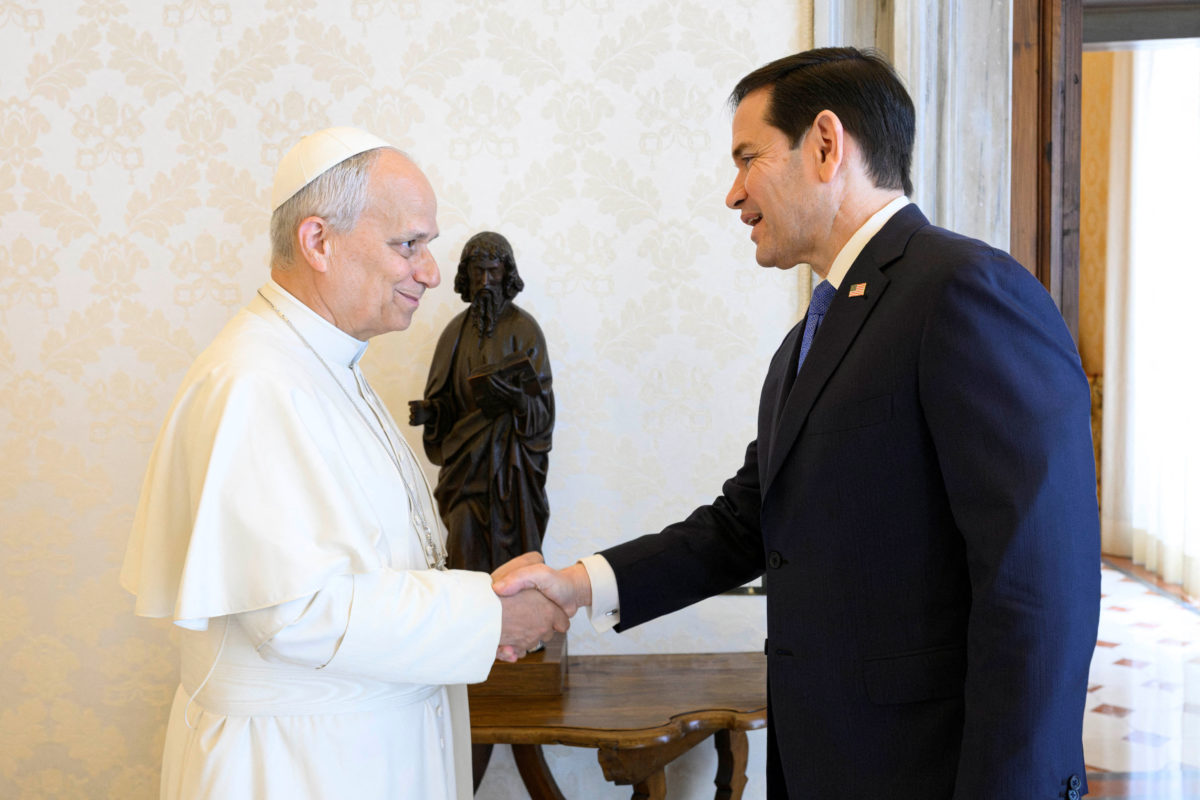
The historic halls of the Apostolic Palace played host today to a meeting that many diplomatic observers characterized as a desperate salvage operation for American soft power. Senator Marco Rubio, acting as a high level envoy for the administration, arrived in Vatican City for a series of closed door discussions aimed at mending the fractured relationship between the White House and the Holy See. This visit follows a tumultuous period of public sparring between President Trump and His Holiness Pope Leo XIV, a conflict that has sent shockwaves through the global Catholic community and created a significant rift within the American electorate.
The tension reached a boiling point over the last month after a series of digital broadsides from the President, who criticized the Pope’s outspoken stance on international climate policy and wealth redistribution. The situation escalated further when the White House characterized the Vatican’s recent peace initiatives in Eastern Europe as meddling in sovereign affairs. Senator Rubio, a devout Catholic who has often bridged the gap between conservative politics and religious doctrine, now finds himself in the unenviable position of serving as the chief architect of reconciliation.
The Catalyst for the Conflict
The friction between the current administration and Pope Leo XIV is not merely a matter of personality but a fundamental clash of worldviews. Pope Leo XIV, since his election, has doubled down on the Church’s commitment to “Integral Ecology” and the protection of the vulnerable, often positioning himself as a moral check on the “America First” agenda. The President, conversely, has viewed the Vatican’s diplomatic assertiveness as an obstacle to his administration’s unilateral approach to trade and environmental deregulation.
The specific “broadsides” that necessitated Rubio’s visit occurred during the recent Global Economic Summit, where the President suggested that the Holy See should focus on “the pews rather than the polls.” This remark, coupled with a series of social media posts questioning the Pope’s understanding of border security, led to a cold silence from the Vatican’s Secretariat of State. The lack of communication between Washington and the world’s smallest sovereign state began to hamper intelligence sharing on humanitarian corridors, forcing the hand of the State Department.
Senator Rubio’s Strategic Role
Selecting Senator Rubio for this mission was a calculated move by the administration. Rubio possesses a unique credibility in this arena; he is a man who can speak the language of the Roman Curia while maintaining his loyalty to the Republican platform. His task was to move beyond the heated rhetoric of the past weeks and establish a functional “working peace” that allows both entities to pursue their respective goals without constant public friction.
During the initial meetings today, Rubio reportedly emphasized the common ground between the two powers, specifically regarding the protection of religious minorities in the Middle East and the fight against human trafficking. By focusing on these “non negotiable” moral issues, Rubio attempted to lower the temperature and remind the Vatican hierarchy that despite ideological differences on economics and the environment, the United States remains a vital partner in the Church’s global humanitarian mission.
Inside the Apostolic Palace
While the full transcript of the meeting between Senator Rubio and the Cardinal Secretary of State remains private, sources within the Vatican suggest the atmosphere was “correct but cautious.” Rubio was not granted a formal audience with Pope Leo XIV on the first day, a move seen by many as a subtle diplomatic snub intended to signal the Holy See’s continued displeasure with the administration’s tone.
However, Rubio did spend several hours with high ranking officials from the Dicastery for Promoting Integral Human Development. In these sessions, the Senator reportedly defended the administration’s economic policies as a means of fostering dignity through work, while acknowledging that the President’s recent comments were “unfiltered expressions of frustration” rather than a formal shift in diplomatic posture toward the Catholic Church.
The Domestic Political Stakes
The success or failure of this visit has massive implications back in the United States. The Catholic vote remains a pivotal demographic, particularly in swing states like Pennsylvania, Wisconsin, and Michigan. Recent polling suggested that the President’s direct attacks on the Pope were beginning to alienate moderate Catholic voters who, while supportive of many conservative policies, found the personal nature of the broadsides to be disrespectful to the office of the Papacy.
By sending Rubio, the administration is signaling to these domestic voters that it still values the moral authority of the Church. It is an exercise in damage control designed to soothe the conscience of the religious right while maintaining the President’s “tough” image. If Rubio can return with a joint statement or even a photograph with the Pope, it would go a long way in neutralizing the narrative that the administration is at war with faith.
The Global Implications of the Rift
Beyond the borders of the United States and the walls of the Vatican, the rift has impacted international cooperation. The Holy See maintains one of the world’s most extensive and effective diplomatic networks, often reaching areas where the U.S. State Department has limited access. The cooling of relations has slowed down collaborative efforts in Sub Saharan Africa and parts of Latin America where the Church and the U.S. often work together on food security and democratic stability.
Senator Rubio’s mission included a specific focus on these regional partnerships. He reportedly proposed a new “bilateral committee” on religious freedom that would meet quarterly to ensure that diplomatic channels remain open even when heads of state disagree. This structural approach to diplomacy is intended to “Pope proof” the relationship, ensuring that the work of the two governments continues regardless of the latest social media controversy.
The Economic Dialogue
A significant portion of the tension stems from the Vatican’s critique of global capitalism. Pope Leo XIV has frequently called for a “reimagining” of the global financial system to better serve the poor, a stance that the President has labeled as “radical.” During his visit, Senator Rubio sought to frame the American economic approach not as a rejection of the poor, but as a different path to the same goal.
Rubio pointed to the administration’s recent investments in domestic manufacturing and low unemployment rates as evidence of a “pro family” economic agenda. While the Vatican officials remained skeptical of the deregulation that accompanied these shifts, the dialogue was described as the first substantive exchange of ideas on the topic in over six months.
Looking Forward: A Fragile Truce
As Senator Rubio prepares for the final leg of his visit, which may include a brief greeting with the Pope during a general audience, the question remains whether this “fence mending” will hold. The fundamental differences between the Trump administration and the Leo XIV papacy are not easily bridged by a single diplomatic mission, no matter how skilled the envoy.
The visit has succeeded in opening the lines of communication and providing a much needed cooling off period. However, the world is only one social media post away from another escalation. Rubio’s success will ultimately be measured not by the words spoken in the Apostolic Palace today, but by the silence of the President’s digital feed in the weeks to come.
Conclusion
The “Rubio Mission” represents a classic exercise in traditional diplomacy within a non traditional political era. It highlights the enduring importance of the Vatican as a global moral and political force, even for a superpower that often prides itself on unilateral action. For Senator Rubio, it is a career defining moment as a statesman and a man of faith. For the administration, it is a necessary pivot to ensure that their domestic and international coalition remains intact.
As the Senator’s motorcade departed St. Peter’s Square this evening, the sun set over a relationship that is slightly more stable than it was forty eight hours ago. Whether this stability can withstand the pressures of an election year and the deeply held convictions of two very different leaders remains to be seen. The fence is mended for now, but the scars of the recent broadsides remain visible on both sides of the Atlantic.
About the Author