How One Journalist’s Trip to America Changed Pop Culture Forever
In the summer of 1984, a Japanese journalist named Nobuyuki Takahashi boarded a plane to Los Angeles with a notebook, a curious mind, and no idea that he was about to witness something that would reshape the landscape of global popular culture. He was heading to Worldcon, one of the world’s oldest and most celebrated science fiction conventions. What he found there did not just impress him. It inspired him to give a name to something that had no name yet, and in doing so, he planted a seed that would grow into a worldwide cultural movement spanning every continent on earth.
A Journalist Walks Into a Convention
Nobuyuki Takahashi was no ordinary reporter. He was deeply embedded in Japan’s growing science fiction and anime communities, writing for a magazine called My Anime, which catered to fans of animated television and film. When he attended the 1984 World Science Fiction Convention in Los Angeles, he came prepared to observe and report on what American fans were doing. What he encountered exceeded anything he could have anticipated.
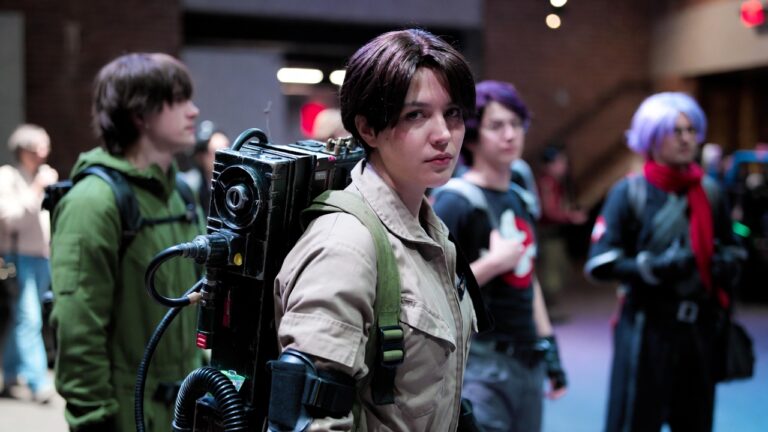
The convention floor was alive with fans dressed in elaborate costumes. They wore the outfits of starship captains, alien creatures, robots, and fantastical heroes drawn from decades of science fiction literature, film, and television. Some costumes were handmade with extraordinary care. Others were theatrical in their scale and ambition. What struck Takahashi most was not just the creativity on display but the joy and seriousness with which fans embraced this practice. These were not people wearing Halloween costumes. They were people expressing deep love and dedication to the characters and stories they admired.
When he returned to Japan and sat down to write his article, he faced a challenge. The Japanese language had no word for what he had witnessed. The practice of dressing up as fictional characters in a public, community-oriented setting was not yet named in Japan, even though Japanese fans had begun doing similar things in their own fan circles. He needed a word that would capture both the costume element and the playful, performative spirit of the activity.
Coining a Word That Would Last Forever
Takahashi solved his problem with elegant simplicity. He blended two English words together. The first was “costume” and the second was “play.” From these two words, he created the Japanese portmanteau kosupure, which when written in Roman letters became cosplay. The word was compact, memorable, and intuitively descriptive. It communicated the essence of the practice in a single breath. You were not just wearing a costume. You were playing within it, inhabiting a character, engaging with a world beyond your own.
The article was published in My Anime in 1984 and was read by a community of fans who were already deeply engaged with anime, manga, and science fiction. The timing was critical. Japan in the mid-1980s was experiencing a cultural explosion fueled by its animation industry. Series like Mobile Suit Gundam, Macross, and Urusei Yatsura had created passionate fanbases who discussed, collected, and obsessed over the characters from those stories. When Takahashi introduced the word cosplay, it landed in fertile ground.
The Cultural Soil That Made Cosplay Flourish
To understand why cosplay spread so quickly in Japan, it is necessary to understand the cultural environment that received it. Japan’s manga and anime industries had been building audiences since the postwar era, but by the 1980s they had reached a level of cultural saturation that made them central to everyday life. Fans did not just watch anime. They read the source manga, bought model kits of their favorite characters, attended fan-run events, and produced their own creative work inspired by the stories they loved.
The Comiket, or Comic Market, had been running since 1975. It was a gathering where fans could buy and sell independently published creative works, known as doujinshi, inspired by existing manga and anime. By the time Takahashi published his article, Comiket had grown into one of the largest fan events in the world. It was a space where creative expression was celebrated and where the boundary between consumer and creator was deliberately blurred. Cosplay fit seamlessly into this culture because it was, at its heart, another form of fan creativity.
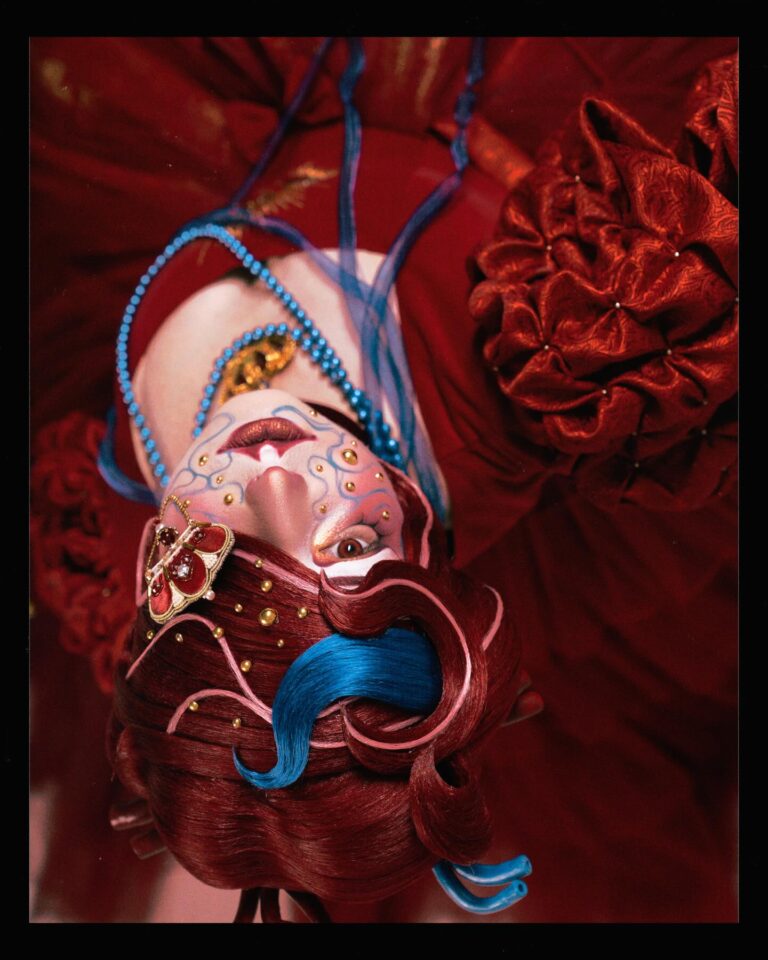
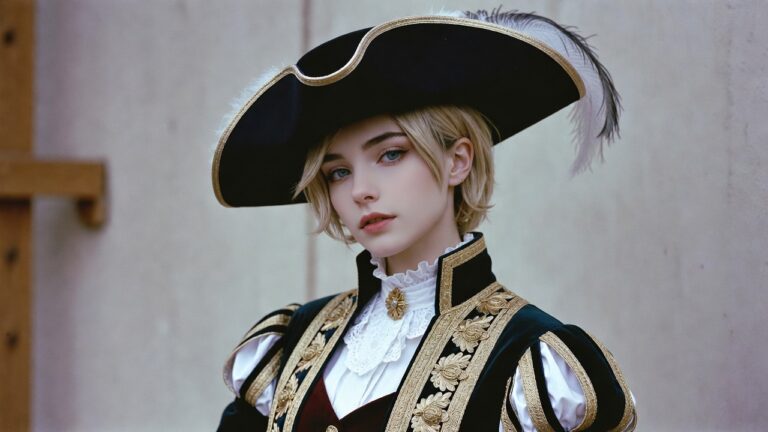
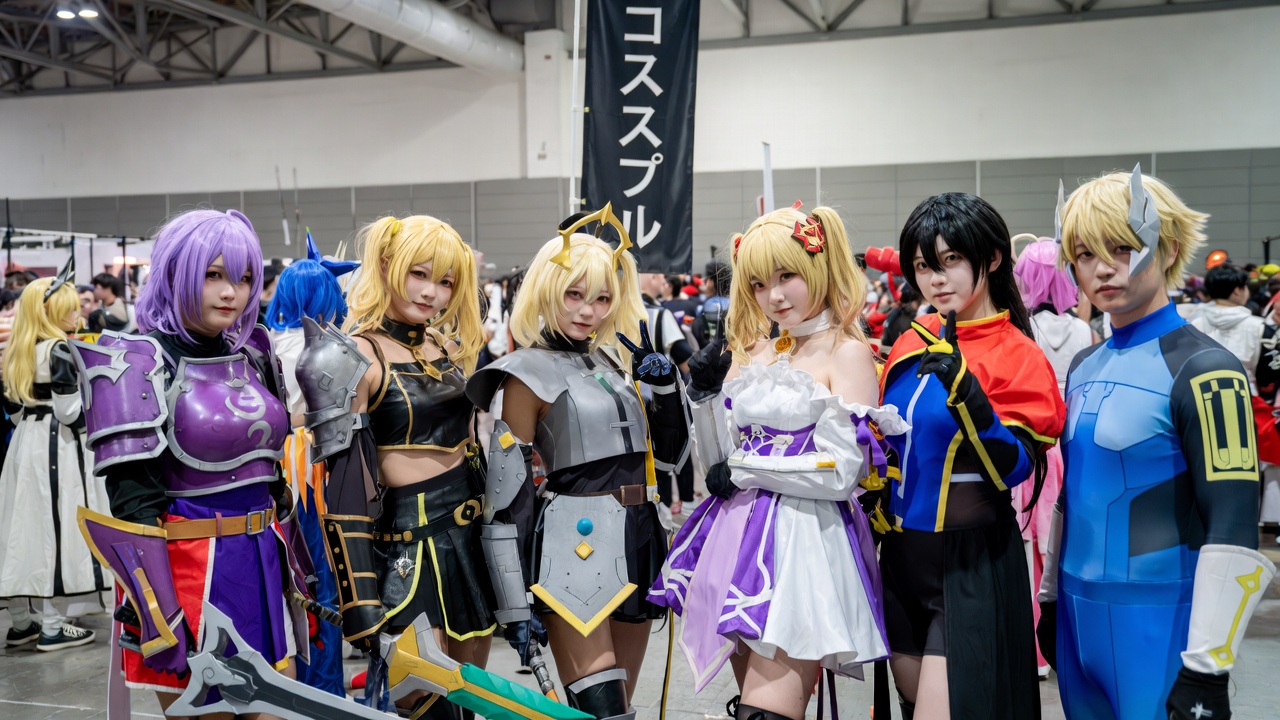
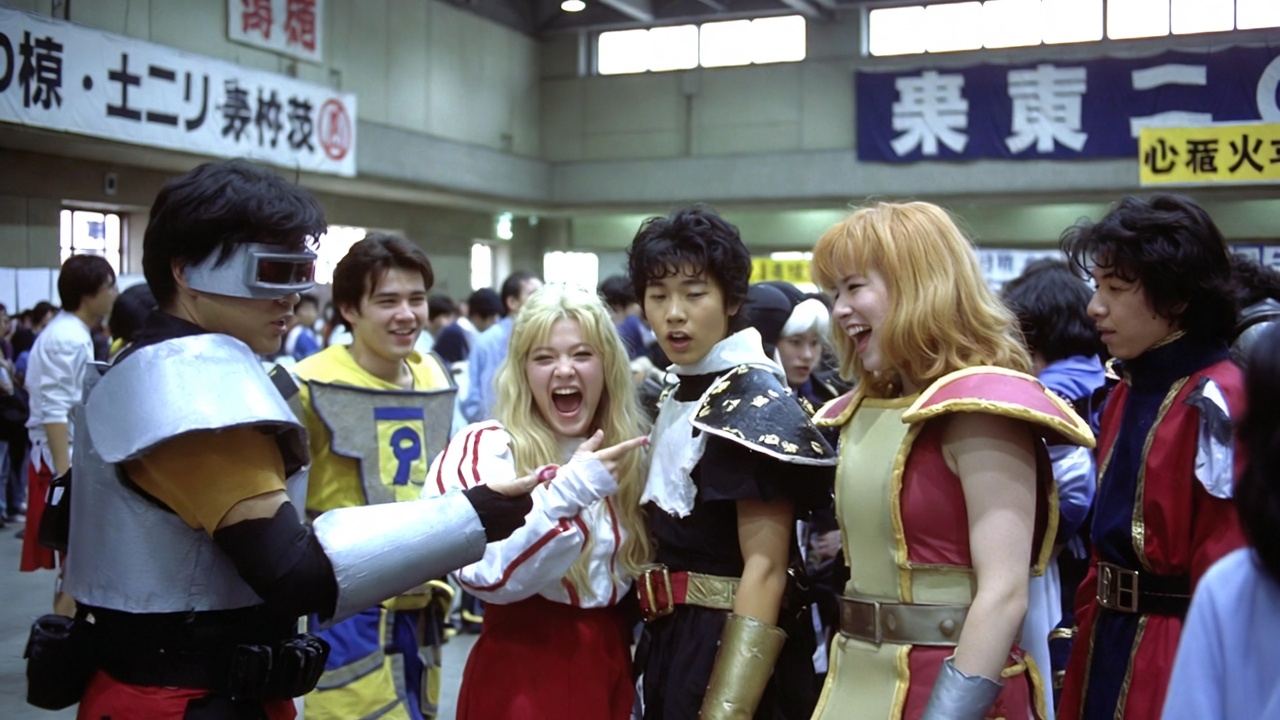
Throughout the late 1980s, cosplay became an increasingly visible part of Japanese fan events. Fans began arriving at Comiket and other conventions dressed as their favorite characters. The practice required skill, time, and resourcefulness. Participants sewed their own costumes, sourced unusual fabrics, constructed props, and styled wigs. The activity demanded a kind of craftsmanship that fans took enormous pride in. It also created a new form of social interaction, because cosplayers would pose for photographs, discuss their costumes with admirers, and connect with others who shared their passions.
From Subculture to Mainstream
By the 1990s, cosplay had moved from a niche activity practiced by dedicated fans into a genuine subculture with its own customs, communities, and economies. Dedicated cosplay events began to appear across Japan. Photography became central to the culture, as cosplayers sought to capture and share images of their work. Magazines began covering cosplay as a distinct phenomenon. The practice had developed its own internal language, etiquette, and sense of artistry.
What made Japanese cosplay culture distinctive from the Western fan costuming that had inspired Takahashi was its intensity and specificity. While American convention-goers often dressed as general types of characters, Japanese cosplayers increasingly aimed for perfect recreation. They studied reference images with great care, matched colors with precision, and constructed elaborate accessories to achieve accuracy. The goal was not just to resemble a character but to embody that character completely. This standard of precision became one of the defining features of cosplay as a practice.
As the internet began to connect fans across borders in the late 1990s and early 2000s, cosplay traveled outward from Japan with remarkable speed. Fans in the United States, Europe, and elsewhere encountered images of Japanese cosplay online and were inspired by what they saw. The word itself crossed linguistic borders intact, absorbed into English and dozens of other languages without translation. Today cosplay is understood in essentially every country where popular culture events are held.
The Legacy of a Single Word
When Nobuyuki Takahashi wrote his article in 1984, he was trying to describe something he had seen at a convention in California. He could not have known that the word he invented would become the name for a global cultural movement. Today cosplay is a professional industry. There are cosplayers who earn their living through sponsorships, appearance fees, and the sale of prints and merchandise. Cosplay competitions are held at conventions around the world, with skilled contestants spending months constructing costumes of staggering complexity. The World Cosplay Summit, held annually in Nagoya, brings competitors from dozens of countries to compete for international recognition.
Beyond the competitive and professional dimensions, cosplay remains at its core what it was when Takahashi first named it. It is an act of love toward fictional worlds and the characters that inhabit them. It is a form of creative expression that requires skill, imagination, and commitment. It is a way of connecting with other people who share your passions. And it is a form of play, in the deepest sense of that word, a deliberate and joyful stepping outside of ordinary life into a world shaped by story and imagination.
The story of cosplay is ultimately a story about how culture travels. A practice that began in American science fiction fan communities was observed by a Japanese journalist, named by that journalist, absorbed into Japanese popular culture, refined and deepened by communities of passionate fans, and then sent back out into the world in a transformed and enriched form. It is a reminder that the things we love rarely stay in one place. They move, they change, and they gather new meaning as they go.
Nobuyuki Takahashi gave the world a word. The world took that word and built something extraordinary with it. That is perhaps the most fitting tribute to the spirit of creativity that cosplay has always represented.
About the Author