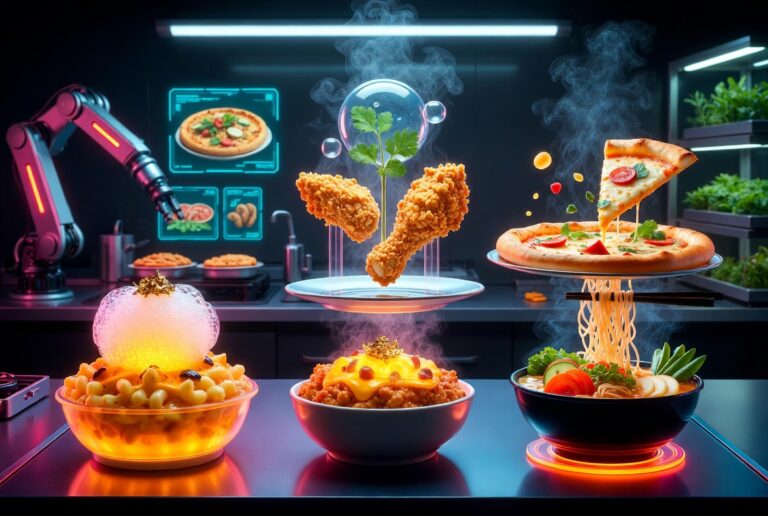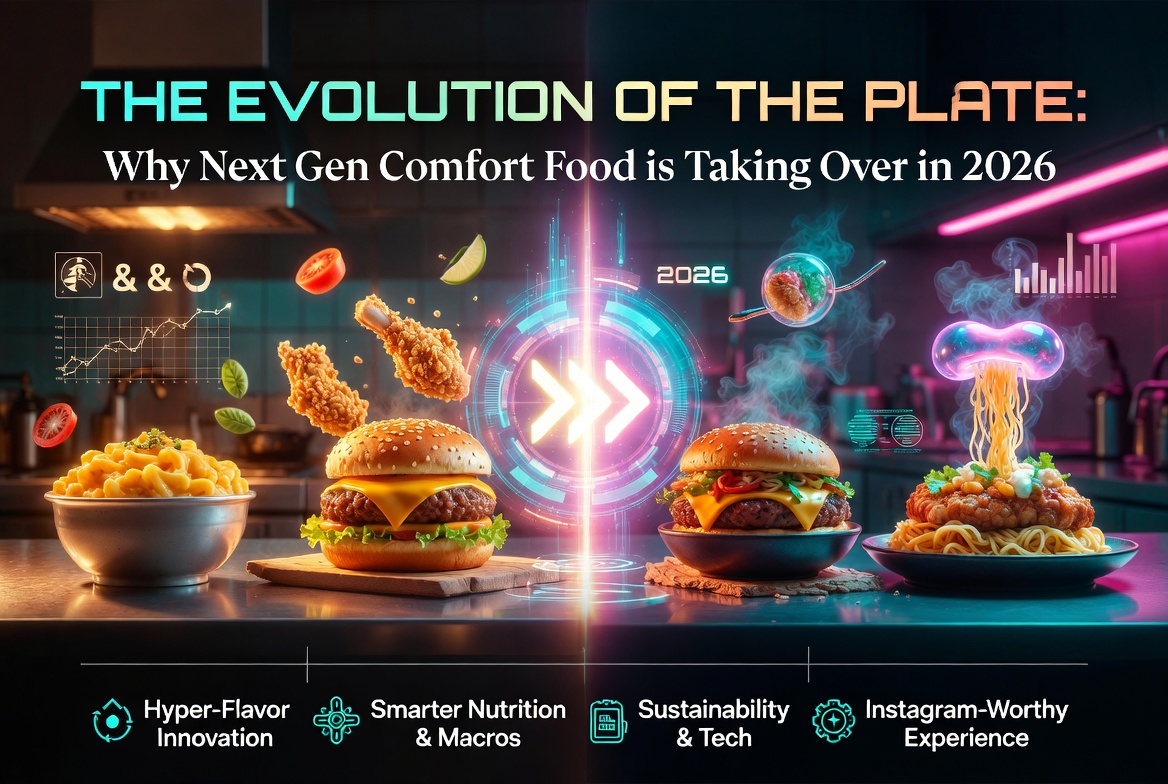
There is a specific feeling that only a bowl of warm noodles or a perfectly toasted sandwich can provide. It is more than just nutrition; it is emotional security. However, as we move through 2026, the definition of what makes a food “comforting” is undergoing a massive transformation. We are no longer satisfied with just the heavy, greasy classics of the past. Instead, a new movement known as Next Gen Comfort Food has emerged. This trend is defined by a beautiful contradiction: it is nostalgic yet adventurous, indulgent yet mindful, and deeply personal yet globally inspired.
For digital creators, foodies, and home cooks alike, understanding this shift is key to staying ahead of the curve. The modern diner wants the “I know this” feeling of a childhood favorite paired with the “I’ve never had this before” excitement of global flavors. In this exploration, we will dive into the core pillars of this movement, from the rise of “Swavory” snacking to the high tech precision of modern home kitchens.
The Psychology of the New Nostalgia
To understand why these foods are trending, we have to look at the world around us. In an era of constant connectivity and rapid change, people are seeking “anchors.” Food serves as the ultimate anchor. However, Gen Z and Millennials are not just recreating their grandmother’s recipes. They are practicing what experts call New Nostalgia. This involves taking a core memory, such as a grilled cheese sandwich or a bowl of ramen, and elevating it with premium ingredients or cultural “remixes.” It is about honoring the past while acknowledging that our palates have become more sophisticated. We want the soul of the dish to remain intact, but we want the execution to reflect our current values: sustainability, bold spice profiles, and better nutritional balance.
Global Fusion: The Comfort Food Remix
One of the most exciting aspects of the 2026 food scene is the blurring of borders. Comfort food is no longer restricted by geography. A “comforting” meal for someone in New York might now be a Caribbean curry bowl or a Filipino pork adobo stew.
The “mashup” culture has matured. We are seeing incredible innovations like smash burgers served inside bao buns or seasoned with Middle Eastern spice blends like za’atar. Macaroni and cheese is being reinvented with Korean chili crisp or miso butter breadcrumbs to add depth and umami. These are not just gimmicks; they are thoughtful integrations of global flavors into familiar formats. By keeping the base recognizable, chefs and home cooks make these adventurous flavors accessible and deeply satisfying.
The Rise of Swavory and Sensory Texture
In 2026, the line between sweet and savory has officially disappeared, giving birth to the “Swavory” trend. This movement focuses on complex, layered flavors that hit multiple parts of the palate at once. Think of hot honey drizzled over thick cut bacon or miso caramel paired with smoked salt on a traditional pineapple upside down cake. Texture has also become a primary focus. Diners are looking for “multisensory” experiences. A dish is no longer just about taste; it is about the “crunch” of a quick pickled slaw against a juicy patty, or the “chew” of hand pulled noodles in a rich, velvety broth. The trend is moving toward high contrast meals that keep the eater engaged with every bite.
Wellness Without Sacrifice: The Health Factor
Perhaps the biggest shift in Next Gen Comfort Food is the integration of functional health. In previous decades, comfort food was synonymous with a “cheat meal.” In 2026, the “cheat meal” is dead. We now demand that our favorite foods support our well being without sacrificing the indulgence.
This is manifesting in several ways:
- Fiber and Gut Health: We are seeing a massive increase in the use of ancient grains, legumes, and fermented toppings. A comforting bowl of chili might now be packed with diverse beans and served with a dollop of probiotic rich Greek yogurt or kimchi.
- Protein Power: Protein is being treated as a customizable boost. Whether it is adding high quality collagen to a morning latte or ensuring a pasta dish uses high protein chickpea flour, the goal is satiety and muscle support.
- The GLP-1 Influence: With the rise of weight management awareness, many consumers are looking for “mini portions” or single serve indulgences. They want the best quality chocolate or a tiny, perfect slider rather than a giant, low quality portion. It is quality over quantity.
Technology in the Kitchen: The Creator’s Edge
For those of us in the digital space, the way we produce and share food content is also changing. AI tools and advanced editing software like DaVinci Resolve have allowed creators to make food look more cinematic than ever. We aren’t just showing a recipe; we are telling a visual story. Technical precision is now at the fingertips of the home cook. Custom Look Up Tables (LUTs) allow creators to give their cooking videos a “moody” or “vibrant” cinematic feel that matches the emotional tone of the food. Meanwhile, AI driven tools are helping people personalize their diets, suggesting comfort food swaps based on their specific nutritional needs or what is currently in their fridge.
Retro Revival: The Heritage Movement
While we look toward the future, there is also a “Rustic Realism” making a comeback. People are rediscovering forgotten “heritage” recipes from the early 1900s. These are simple, affordable meals that emphasize creativity born from necessity. Dishes like “mock” recipes or three ingredient desserts are trending because they feel authentic and grounded. In a world of ultra processed options, there is something incredibly comforting about a meal made from scratch with basic, whole ingredients. This “Grandmacore” aesthetic is dominating social media, as younger generations embrace the slow, intentional pace of traditional cooking.
How to Implement These Trends on Your Website
If you are looking to create content that resonates with this movement, here are a few content pillars to focus on:
- The 15 Minute Gourmet: Show how to take a basic pantry staple and turn it into a Next Gen masterpiece using one “wildcard” ingredient like harissa or tahini.
- Mood Based Menus: Create guides for food that helps with specific emotional states, such as “Focus Foods” for a long workday or “Recovery Bowls” for a rainy Sunday.
- The Science of Sauce: Deep dives into how a single sauce, like a spicy peanut lime dressing or a garlic confit oil, can transform five different comfort classics.
- Cinematic Cooking: Focus on the “ASMR” and visual beauty of the process. Highlighting the sizzle of the pan and the vibrant colors of fresh produce.
The Future of the Table
The Next Gen Comfort Food movement is a testament to our adaptability. We are a generation that values our roots but refuses to be limited by them. We want the world on our plate, but we want it to feel like home.
As we continue through 2026, expect to see even more focus on “clean label” simplicity and “unserious” snacks that provide a quick mental break. The most successful food brands and creators will be those who can bridge the gap between the familiar and the fantastic.
In the end, food will always be about connection. Whether it is a shared meal with friends or a quiet moment of “solo indulgence,” the new wave of comfort food ensures that every bite is meaningful, nourishing, and just a little bit exciting.
Summary for Social Media Promotion
If you are sharing this on your channels like YouTube or Facebook, here is a quick hook:
Headline: Comfort Food is Growing Up.
The Vibe: We are moving past the greasy classics and into the era of “Next Gen Comfort.” Think Miso Mac and Cheese, Smash Burger Bao, and functional wellness in every bite.
Why it matters: In 2026, we want food that feeds our soul AND our health.
About the Author